Skip to content

PRODUCT SOURCING

Find the right production route. Not just a factory.

Describe the product you want to create. We look beyond the headline unit price to the materials, technical capability, quantity, quality evidence and delivery responsibilities that make a route suitable.

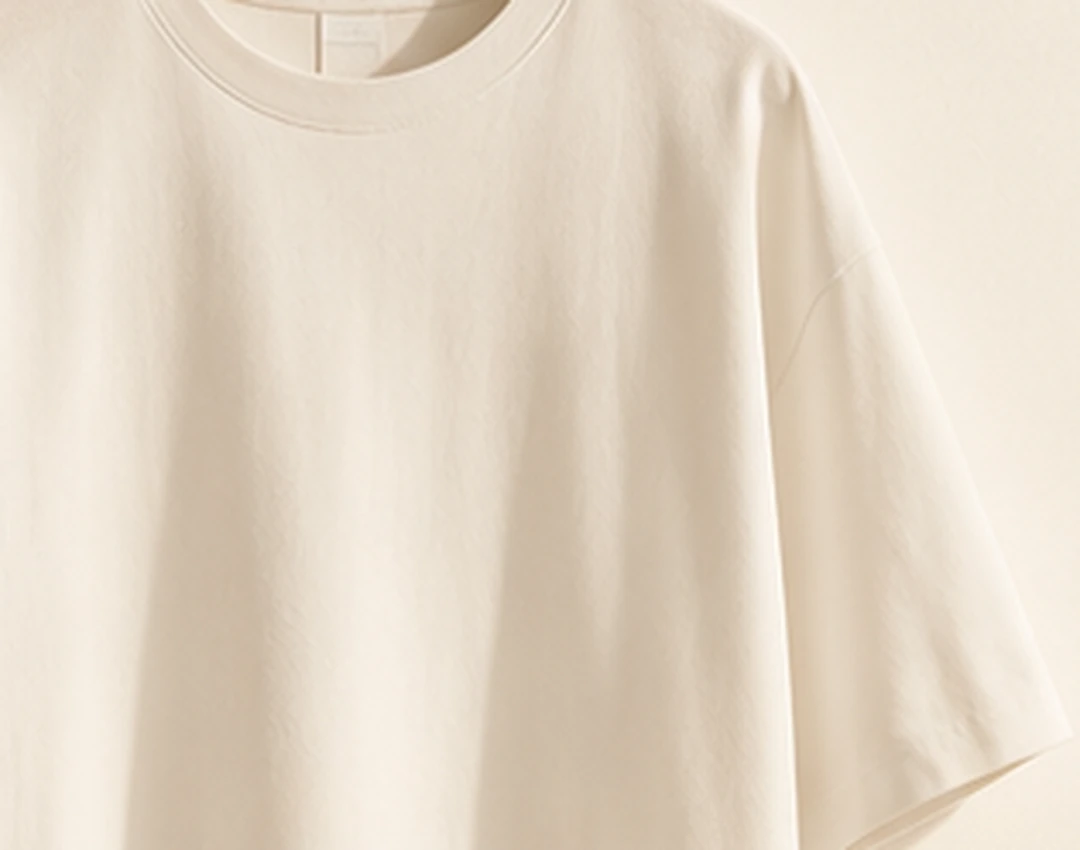
Illustrative fabric, construction and stitching detail
Product-specific route assessment, not a claim of approved suppliers
Technical fitCan this supplier make the right product?
Quality evidenceWhat supports the proposed result?
Complete costsWhat belongs in a real quotation?

WHERE TO BEGIN

You do not need every answer to start.

A reference, a specification or a first idea can all help clarify the next appropriate step.

I have a reference product.

Seen an item you would like to adapt? Share a reference and explain which dimensions, materials, features or branding details matter. A reference is a starting point for feasibility, not a promise of an identical copy. Respect third-party intellectual property.

I have specifications.

Describe the material, construction, quantity, destination and any technical requirements. We can identify which parts of the brief need further confirmation.

I have an idea.

Tell us what your brand wants to create. Explore product directions, design requirements and possible development steps before a formal production route is considered.

OUR EVALUATION FRAMEWORK

What matters when assessing a production route?

No single factory is suitable for every product. Our evaluation criteria are designed to help distinguish a technically and commercially appropriate route from an attractive headline price.

Manufacturing capability

Can the producer make the required construction, material and customization, in the intended batch size?

Quality evidence

Which relevant documents, tolerances, references or product samples can substantiate the proposed specification?

Materials & finishes

Are fabrics, components, print methods, coatings, labels and packaging options genuinely compatible?

MOQ & order structure

What minimum applies per product, colour, artwork, style or production lot?

Communication & responsiveness

Are technical questions, changes, responsibilities and approval points understood and documented?

Realistic production planning

What can be confirmed about sampling, production stages and timing, and what remains conditional?

Delivery & destination

Are transport terms, route costs, packaging obligations and cross-border responsibilities understood?

Compliance & commercial terms

What applicable documentation, product rules, resale rights, bank verification and contract conditions need checking?

These describe our selection criteria. They are not a statement that any particular factory, certificate, shipping route or product has already been approved.

FROM REQUEST TO REVIEWED ROUTE

A structured way to assess manufacturing options.

  1. Define

    Capture the product brief, intended market, approximate quantity and branding requirements.

  2. Match

    Identify potential manufacturing approaches suited to the technical requirements; no presumed factory availability.

  3. Verify

    Review relevant manufacturer identity, offer validity, minimums, samples and route-specific obligations.

  4. Compare

    Compare complete relevant costs, production assumptions, quality expectations and delivery responsibilities — not just base unit prices.

  5. Confirm

    Present appropriate next steps and, when evidence supports it, a formal quotation with exact scope, conditions and validity. A later supplier order requires separate financial and legal authorization.

This is the intended review method. Execution and availability depend on supplier, product, customer and route readiness.

TOTAL VALUE, NOT A HEADLINE PRICE

The lowest unit price is not always the right project choice.

A manufacturer quote may look attractive until setup, customization, packaging, samples, transport, inspection and route-specific costs are taken into account. A useful comparison should be based on equivalent specifications and a clearly defined delivery scope.

Specification fit

Compare like-for-like materials, sizes, quantities, artwork methods and tolerances.

Total project costs

Look at the relevant full delivered-cost components rather than isolated price tiers.

Risk and obligations

Consider evidence freshness, relevant compliance, supplier commitments and applicable delivery responsibilities.

CONNECTED PRODUCT DEVELOPMENT

Sourcing works better when design and product requirements are connected.

An impressive mockup is not the same as a production-ready specification. You may need revised artwork, different materials, a reference sample or an entirely custom development route before meaningful offers can be compared. These services are considered separately according to your project needs and their actual availability.

WHAT A SOURCING ENQUIRY MEANS

Exploring a route is not placing an order.

Your initial enquiry helps clarify the product and its commercial context. It does not confirm supplier capacity, a final price, a sample booking or a production slot. Any formal quotation depends on the exact manufacturer, specification, destination and applicable checks. A manufacturer is not described as qualified unless the relevant assessment has been completed.

QUESTIONS & ANSWERS

Before you begin sourcing.

The details you may want to understand before submitting a project enquiry.

Can you find a manufacturer for a product I have seen online?

A reference may help explain what you need. We first assess its features, feasible adaptations and relevant intellectual-property restrictions. We cannot promise an identical copy or a specific supplier.

Do you always choose the cheapest factory?

No. Our evaluation model prioritizes whether a route matches the complete product and commercial brief, including quality, minimums, documentation, delivery and total relevant costs.

Can you source internationally?

International sourcing is part of Decamade's intended model. Each specific country and product route still requires appropriate supplier, tax, logistics and product-compliance review.

Are the manufacturers already verified?

Supplier assessments are project- and route-specific. We do not treat a public directory listing, factory badge or generic certificate as proof that a particular product is ready for sale.

Can I request samples?

You can ask about sample requirements in your enquiry. Sample feasibility, cost, type and timing depend on the product and manufacturer; a paid sample is arranged only under separately agreed terms.

What information should I provide first?

Product type or reference, approximate quantity, intended materials, customization needs, delivery country and your business contact details are a useful starting point.

YOUR NEXT STEP

Start with the product, not the factory list.

Tell us what you would like to make, your estimated quantity and where it should be delivered. We'll use that information to determine what needs reviewing next, without treating your enquiry as an order.

PROJECT RECORDS

Keep decisions tied to their source.

Our planned workspace connects sourcing decisions, technical specifications and project revisions in one record.

Future customer workspace · in development
Explore Brand Companion